The Story of Little Spark Learning
Where it all began
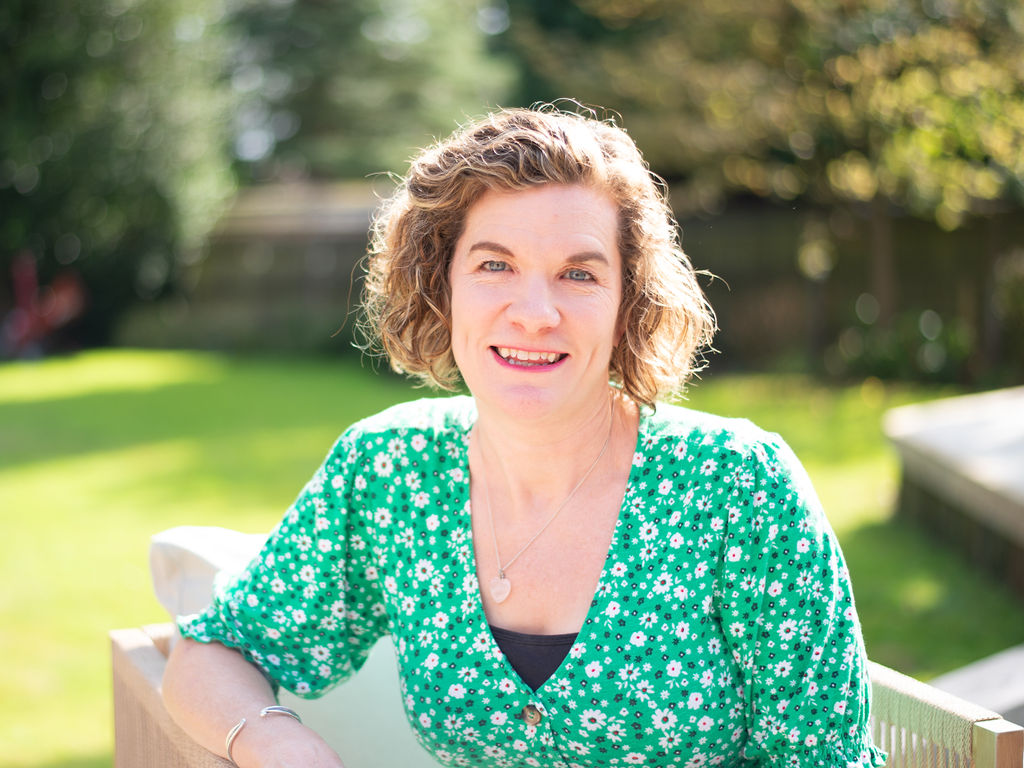
Hi. I'm Nicci, a mum of three boys, one of whom was born with a brain injury that impacted many areas of his life, one of those being communication.
Life was hard when he started school. He was delayed in so many areas. Before having children I'd been a primary school teacher and also a Teaching Assistant, working one to one with a child who had several learning challenges, one being communication. He made significant progress with him in the year I worked with him. I still have the letter of thanks from his parent. Little did I know then, that all this experience would come into play with my own son.
That first Spark
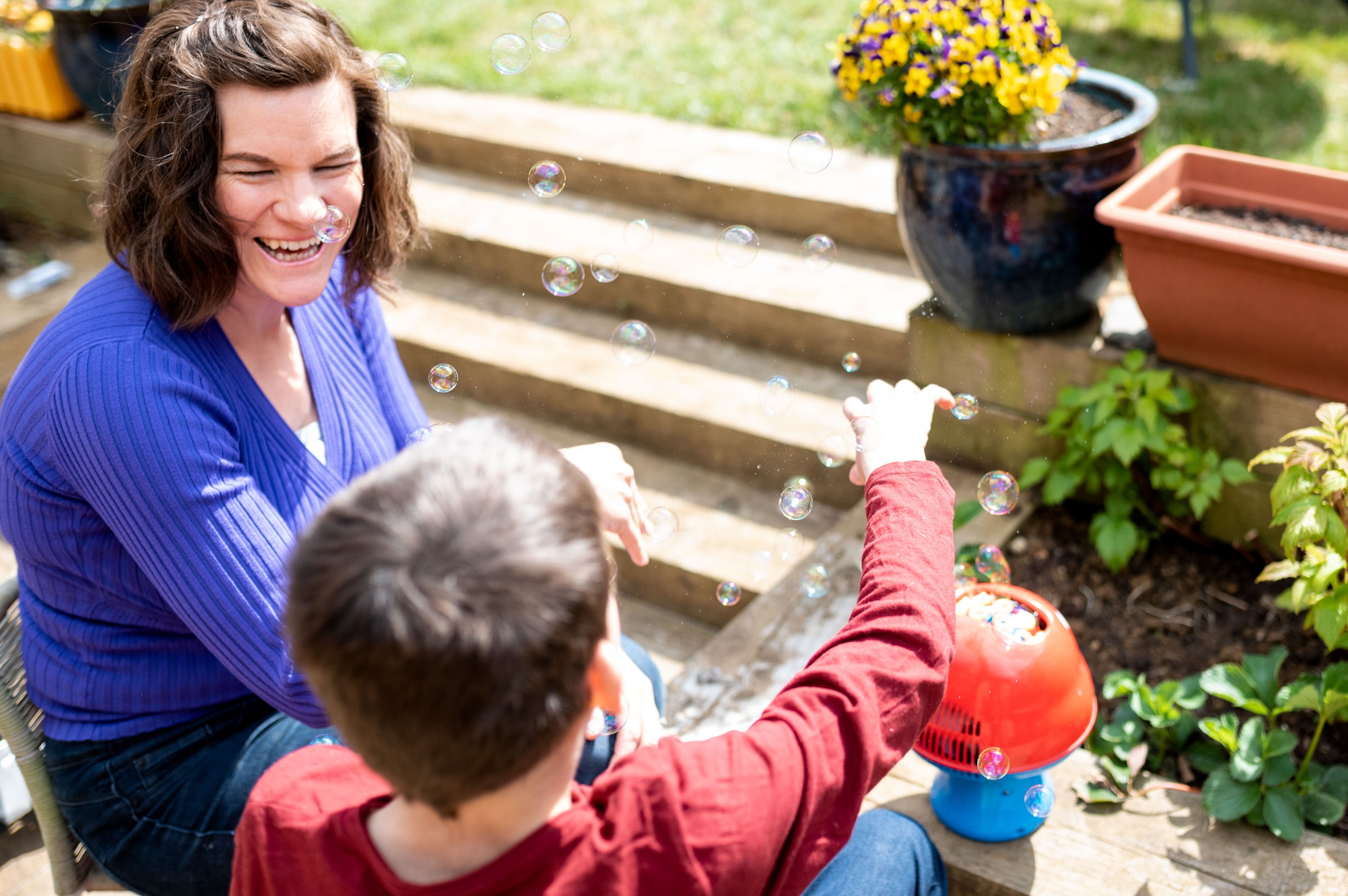
My son's learning and development in all areas has always been slow and unpredictable. One thing I did notice that WAS predictable and consistent, was that any therapy, or exercises he had to do (and there were lots) would be much easier to do repeatedly if there was an element of fun and playfulness about it. If you made the exercise into any sort of game, it was easier to gain his attention and focus.
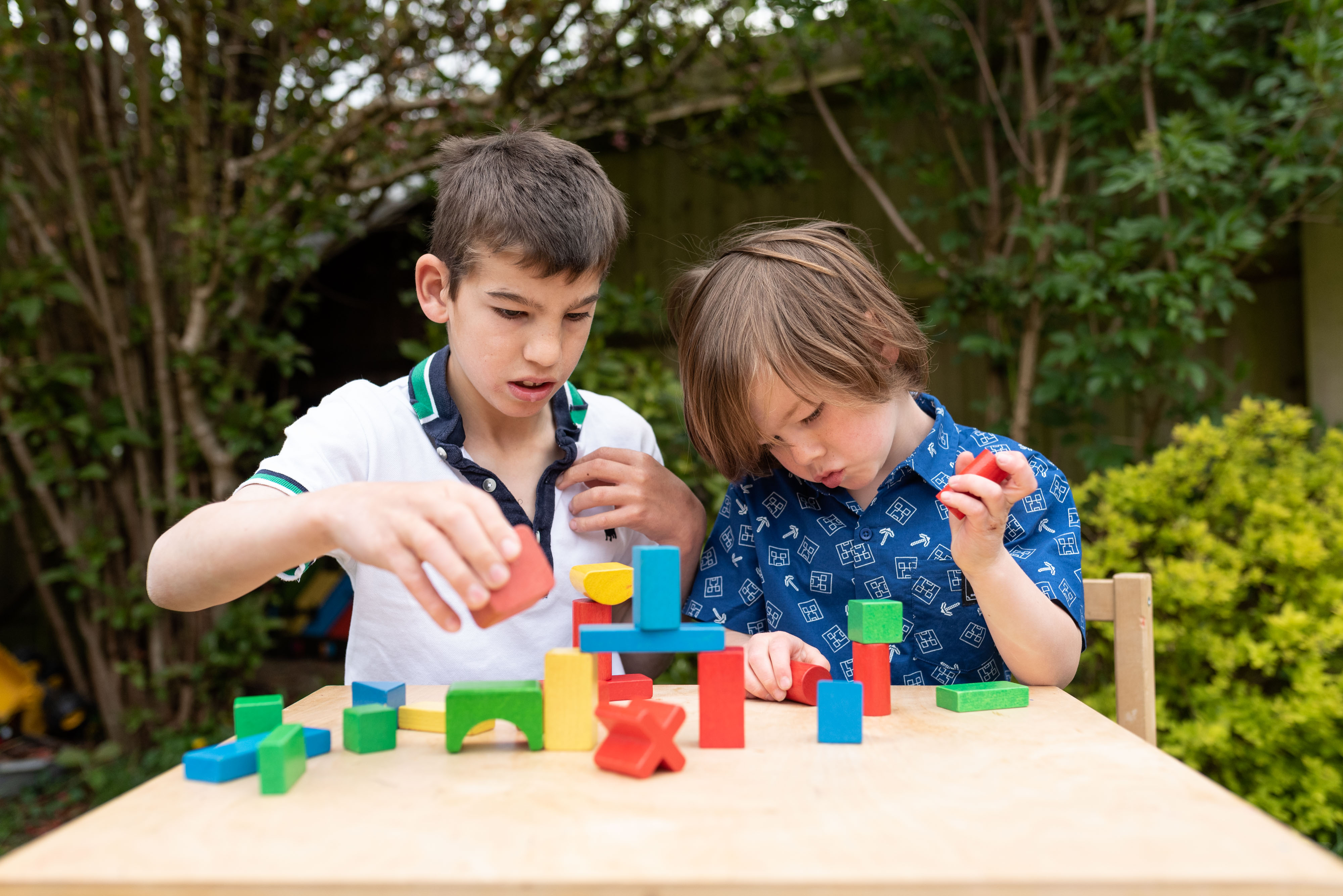
I went on to have two more sons, both born healthy and well. They followed a much more traditional path of development and this included their social skill development.
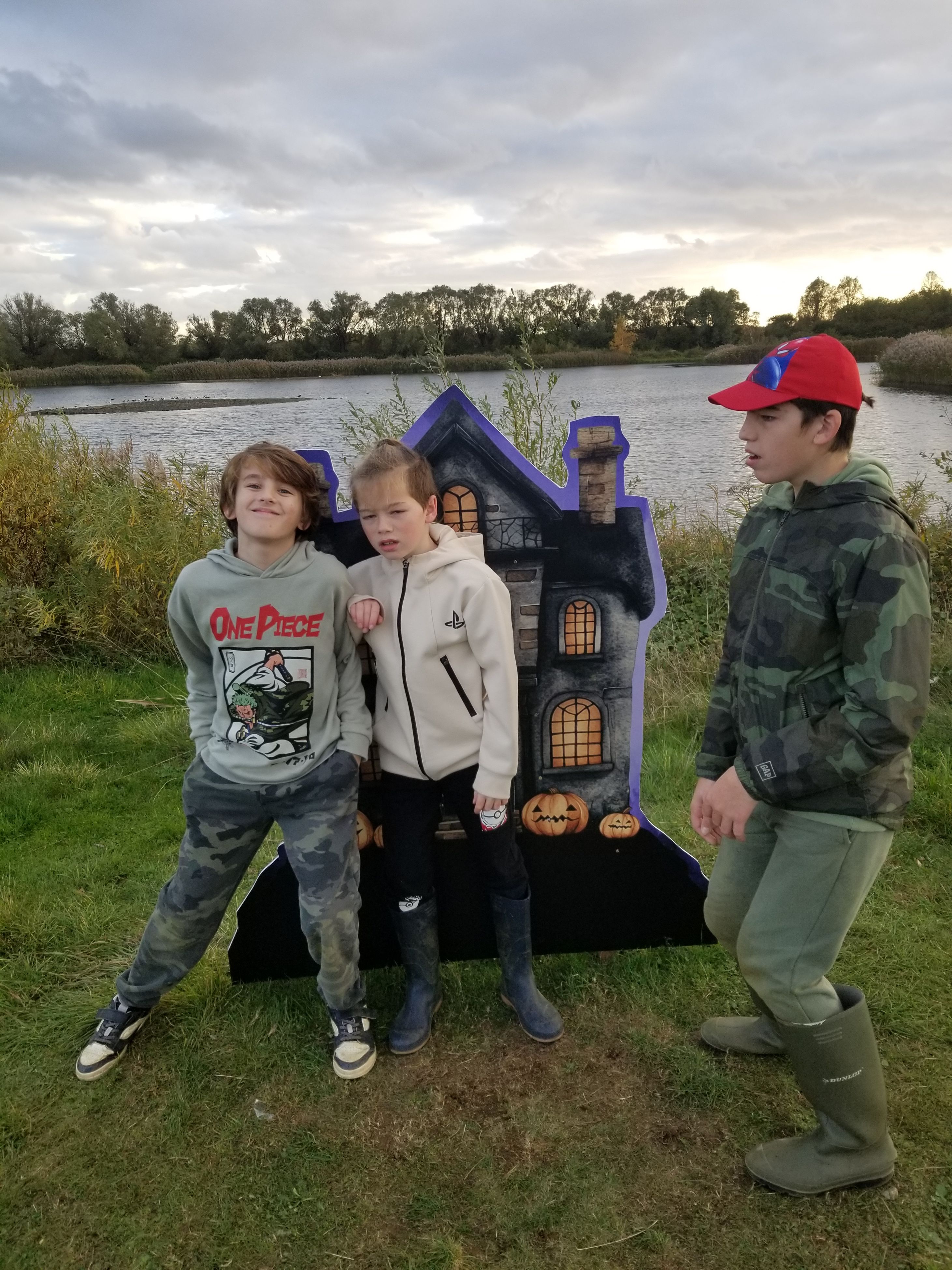
The relationship between my three sons has changed over the years and has been strained at times, largely due to my eldest's additional needs and disabilities. When they're young, children are much more accepting. My sons were the same. They were able to communicate more easily and sometimes without words.
Seeing Sparks Fly
But as they grew up, the gap widened and I could see them finding it becoming more difficult to relate to their brother who's so different from themselves. Communication becomes harder, because you have to work at it in a different way and meet him where he is. This is a skill that requires lots of practice and also patience.
Initially I wanted to create activities that would increase empathy and tolerance of others with difference. And I do still have those ideas in my notebooks. But not everyone seems to place the same level of importance on these aspects as someone who is living with the impacts of them... So I turned to more 'traditional' topics in which I felt had impacted our family and that would be beneficial to other children. Communication and social relationships.
Every game or activity I came up with, I'd play with my sons. They gave very honest, sometimes brutal feedback. But I wasn't to be disheartened. I just kept re-iterating. I wanted the games to be something they enjoyed and rated. Even if they were 'educational'. Sometimes they were keen to play the game. Other times less so. Though, to be fair some games I did ask them to play A LOT!
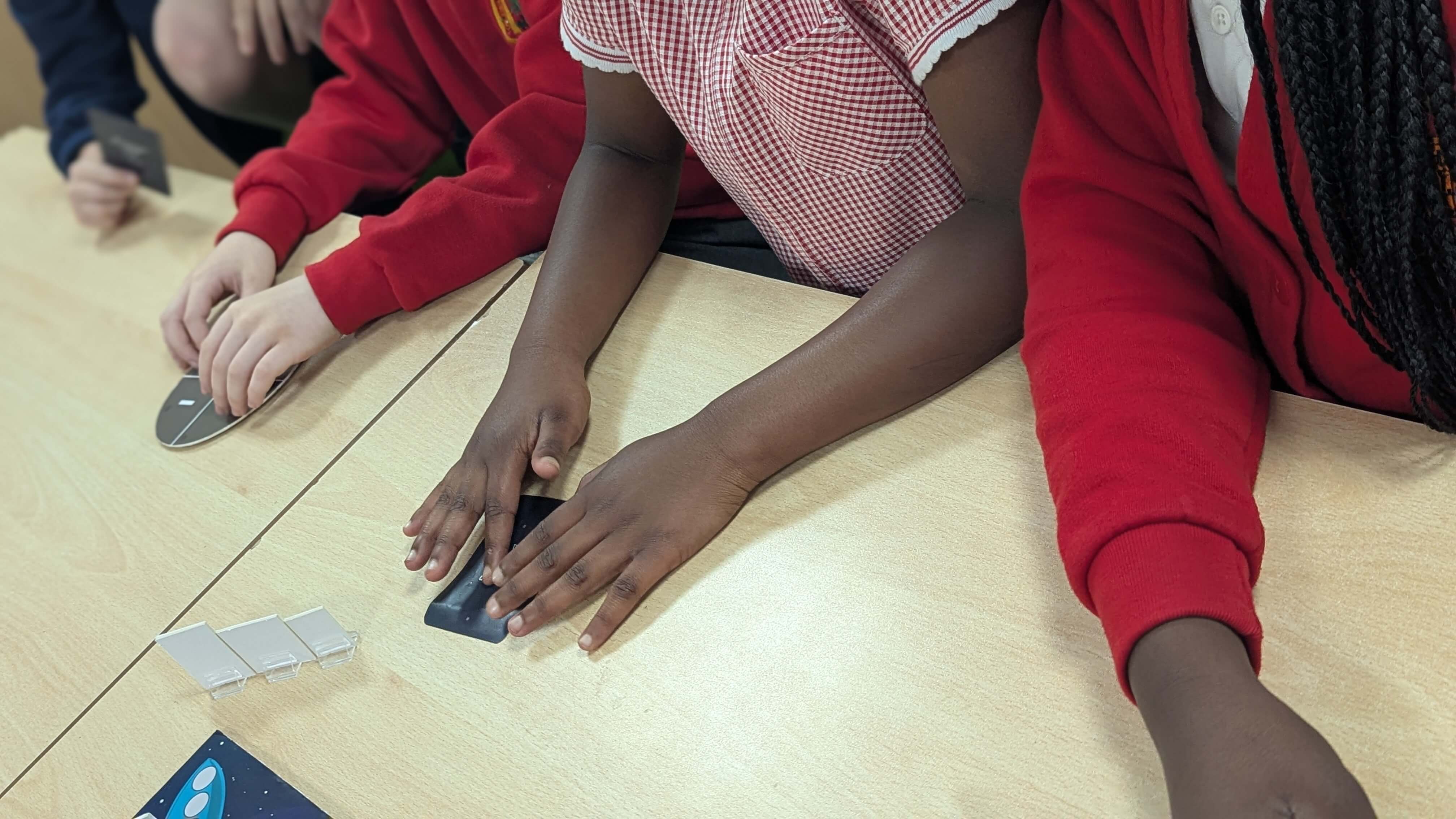
I spoke to teachers and ex-teachers that I came across in all areas of my life, about what their experiences were, what they noticed were the key skills missing in kids today. This all fed into my prototype iterations and sparked new ideas for games. I also worked with the ELSA in my local primary school, visiting weekly, supporting their Mental Health Champions. These children needed social communication skills to be able to support other children in the school and fulfil their roles as Mental Health Champions. All this lived experience shaped my thinking and sparked new game and activities. But I knew I had to start with one game initially.
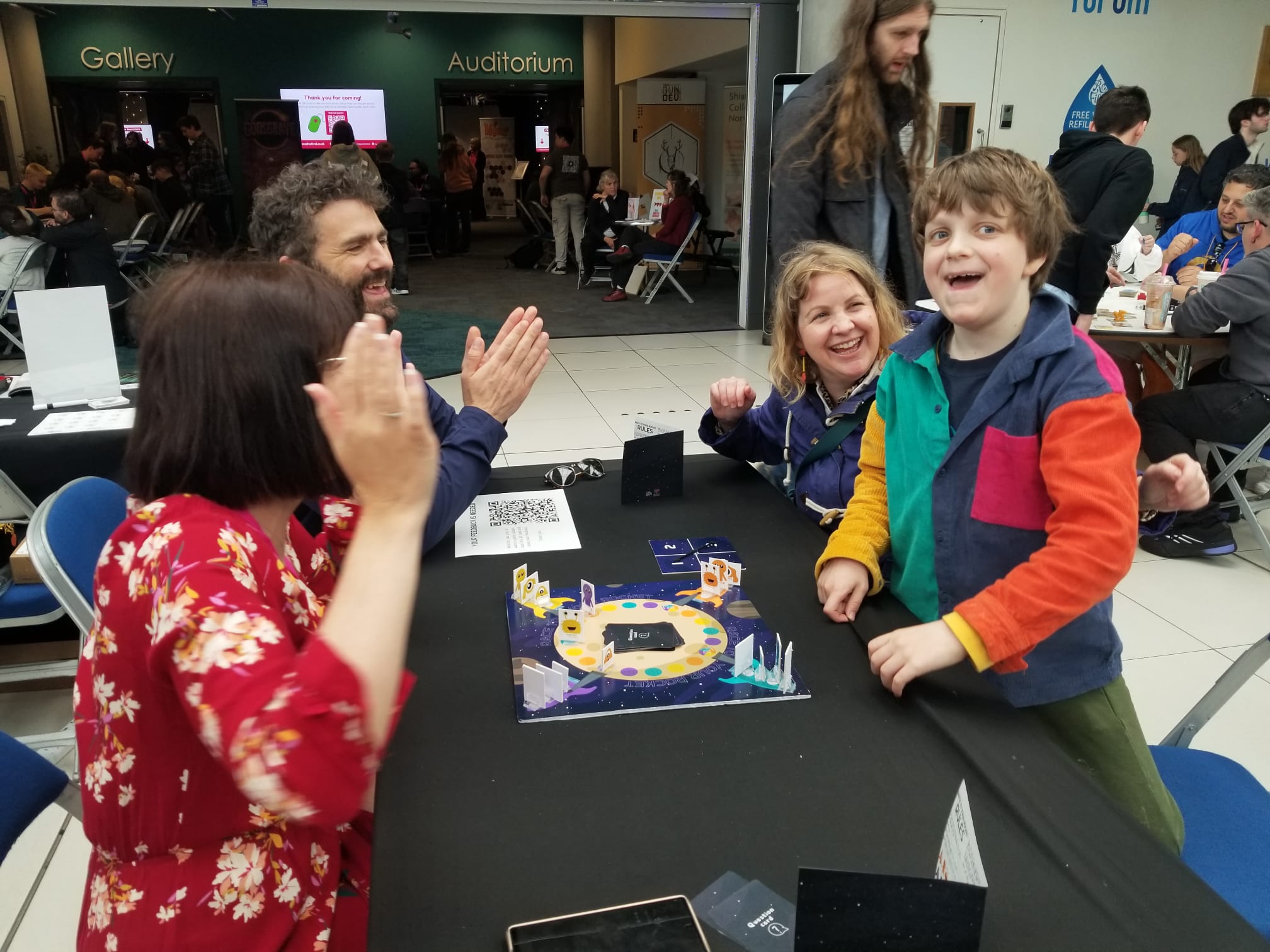
Race to your Rocket was the one. And so the wider play testing began, kicking off with a stand at Norwich Games Festival, which went brilliantly and included an interview for a local radio station interested in the Little Spark journey so far.
Sparking Conversations
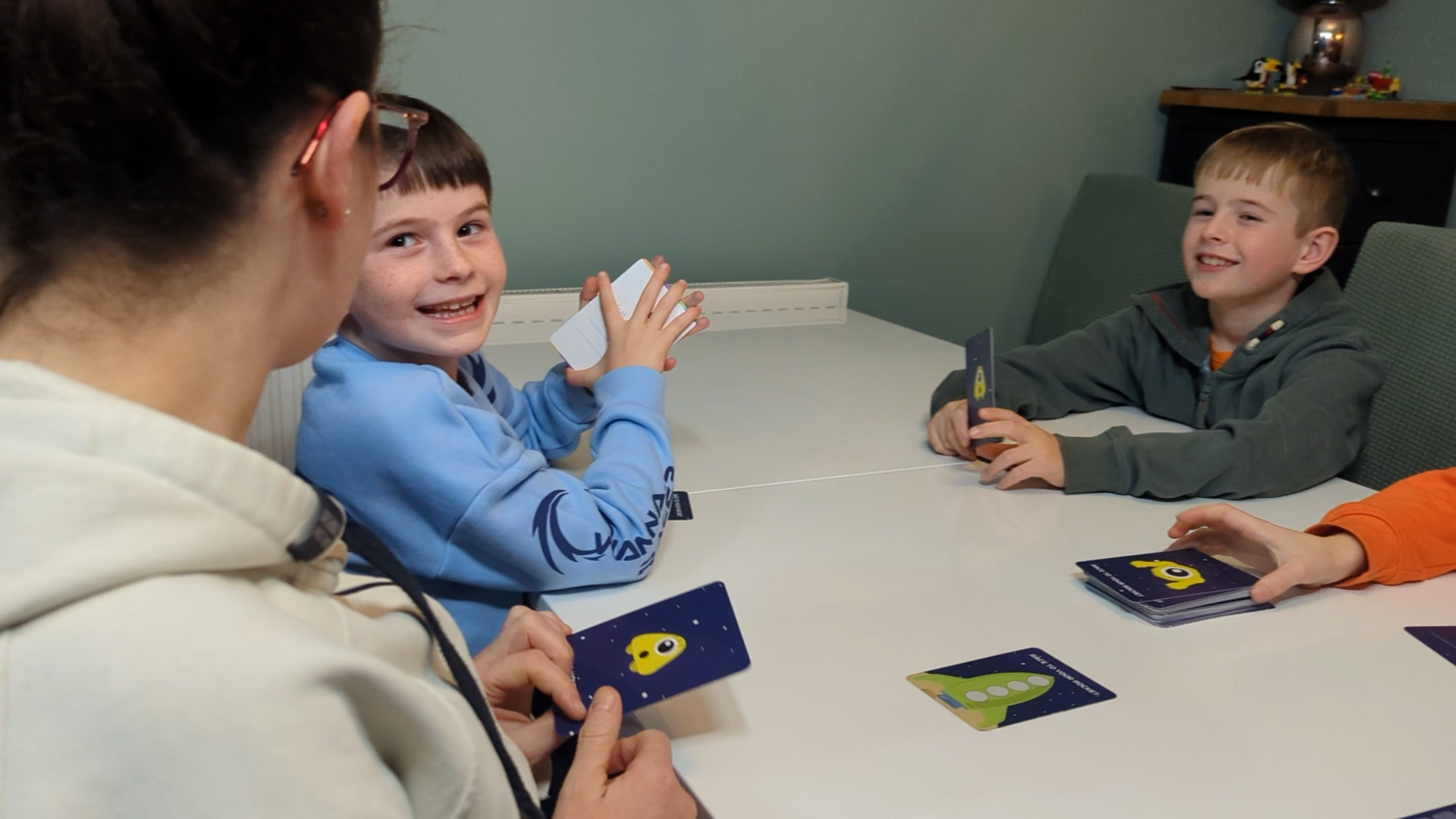
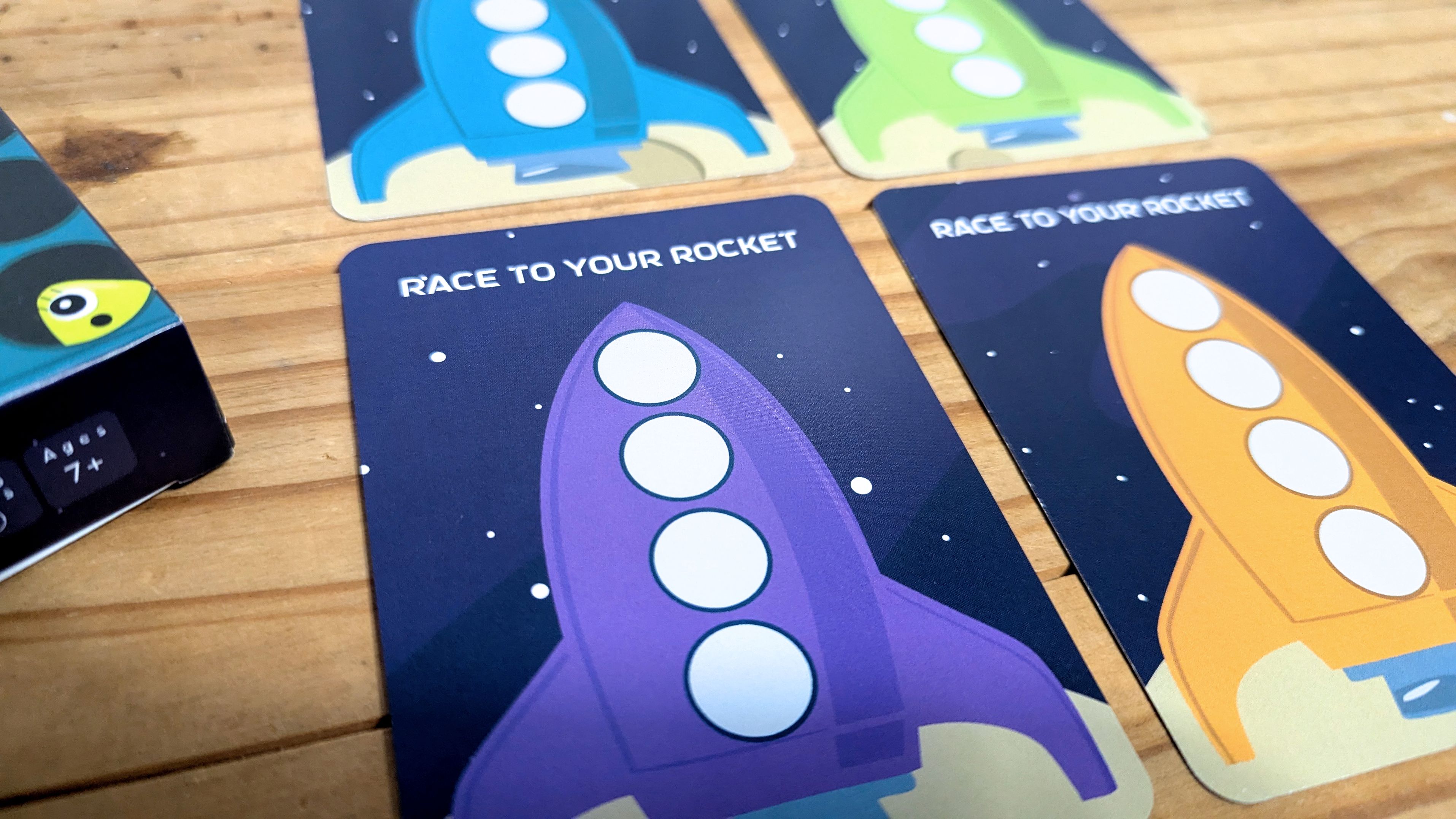
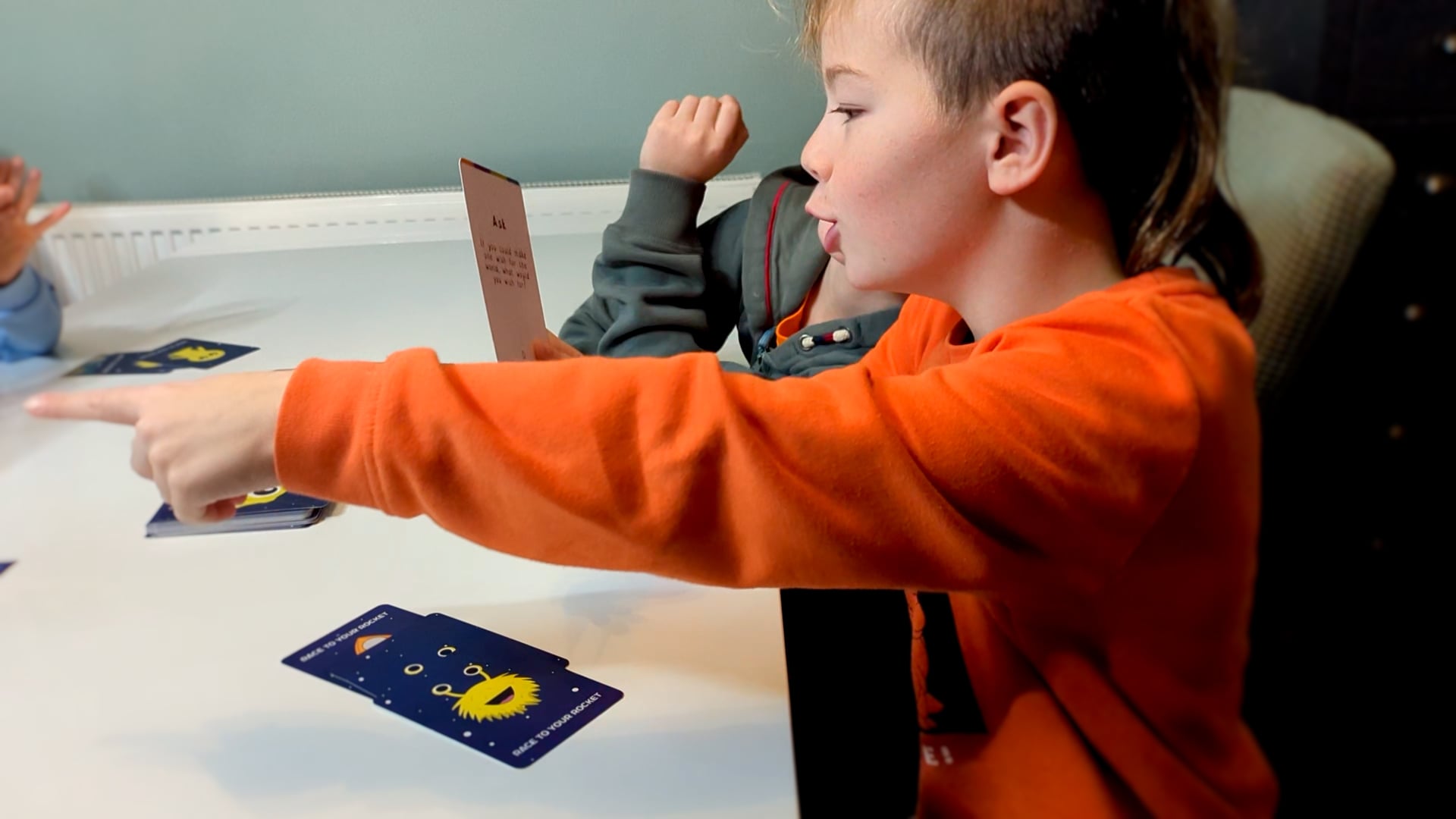
Race to your Rocket is about speaking and listening. Building rapport. Finding out about people. Showing interest. Really listening to what they said. Remembering. Using the questions as a scaffold to finding commonalities with others. Sparking conversations and connections. All key social communication skills that children (and adults) need in life to be able to succeed.
Another Spark
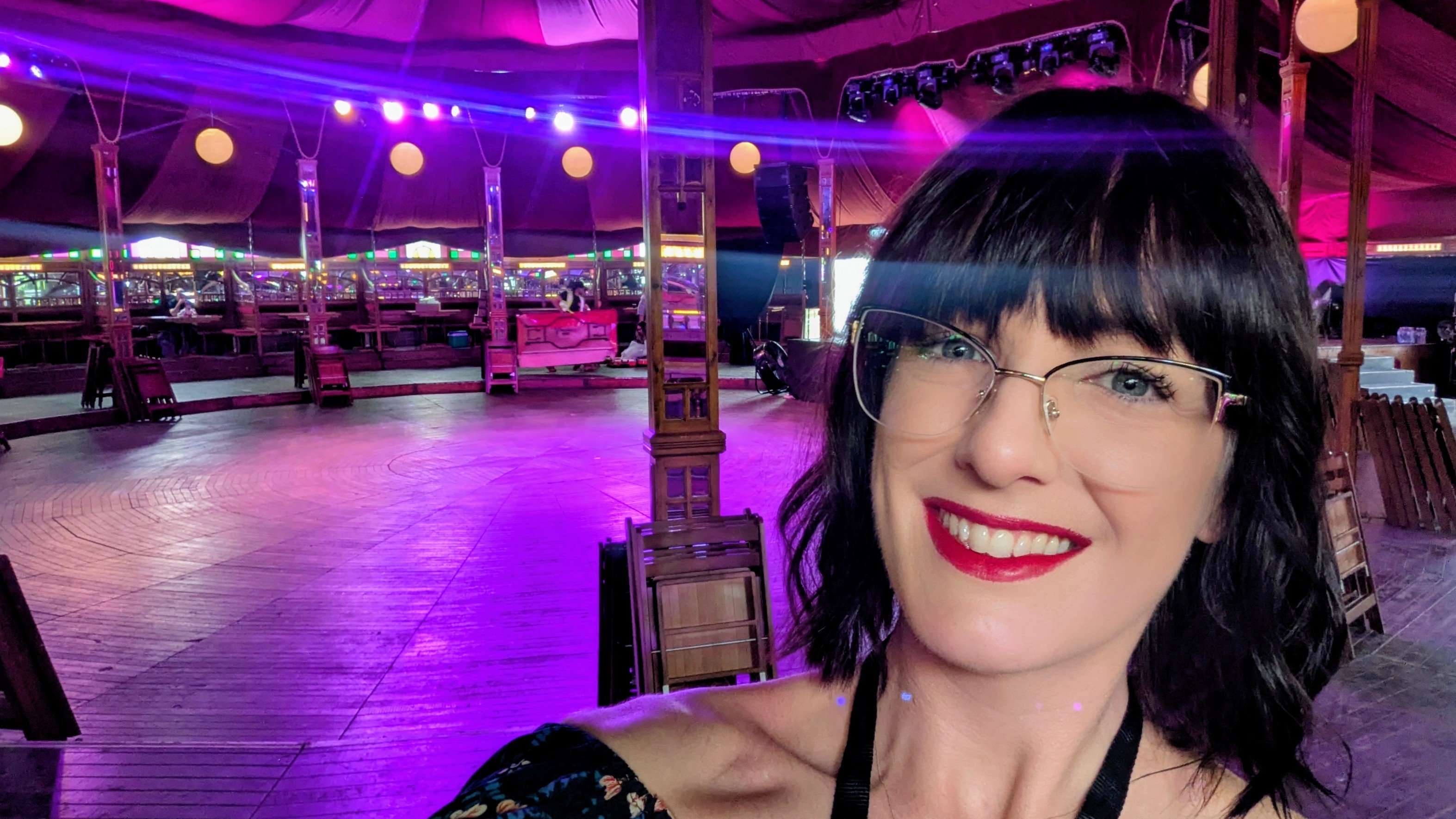
There's one other person on this journey I haven't mentioned yet. When the pandemic hit. I left my commercial role and moved into one in Higher Education (Cranfield University) and soon after, Zoe, one of the most talented content designers I've ever met, joined our team.
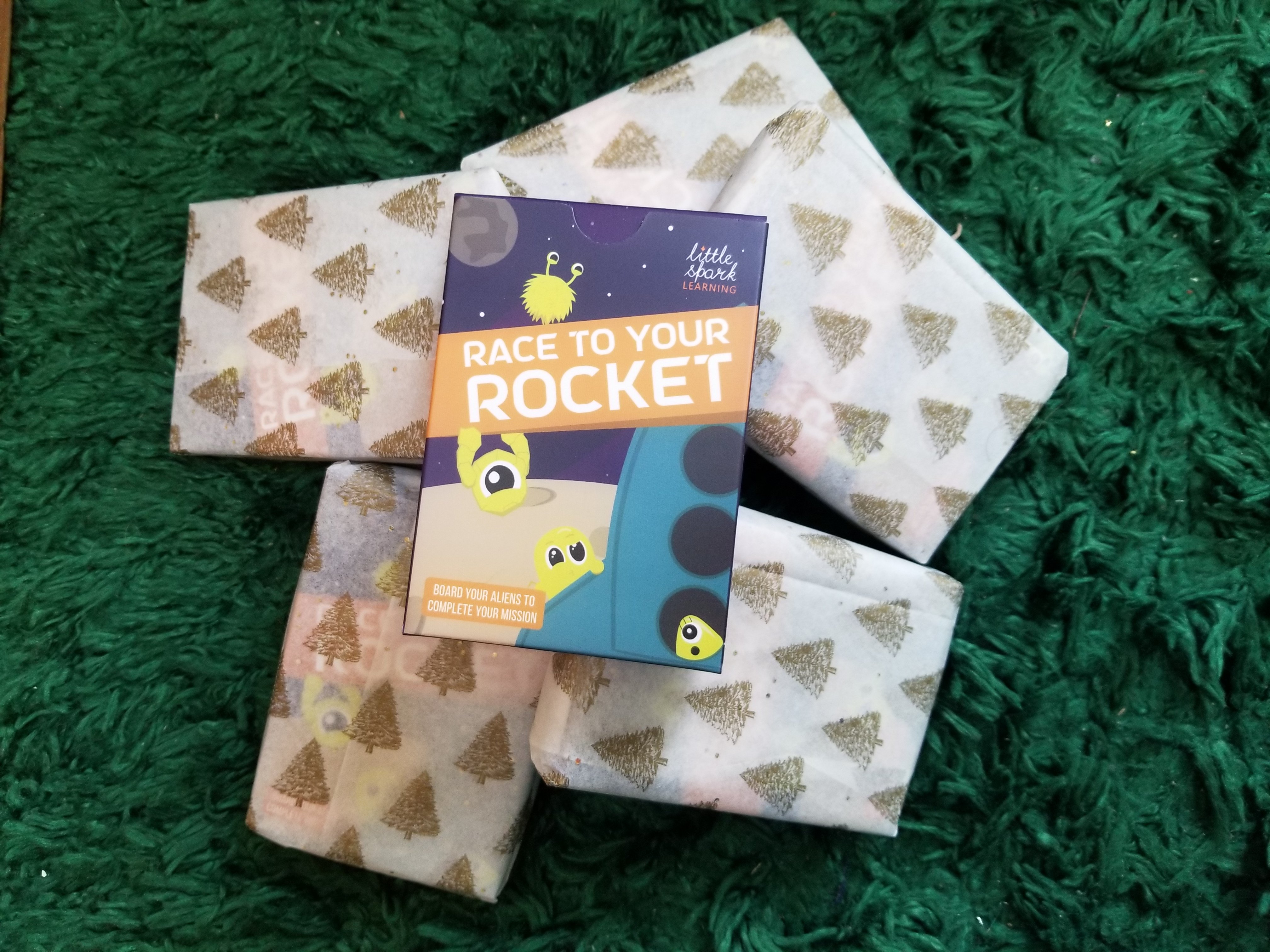
In the 5 years we worked together, we discovered we both had a passion for the role of games in learning. She encouraged me to continue developing the games and offered to create the visual assets for them. It is largely due to her unwavering support and encouragement that the first game Race to your Rocket dropped off the production line at the end of 2025, in time for Christmas. Just.
The Official Little Spark
Near the end of 2025, I decided to step away from my Learning Designer role at Cranfield and set up Little Spark Learning Ltd.
This marked my official commitment to reaching as many children as possible and supporting them to build confidence in their social communication skills.
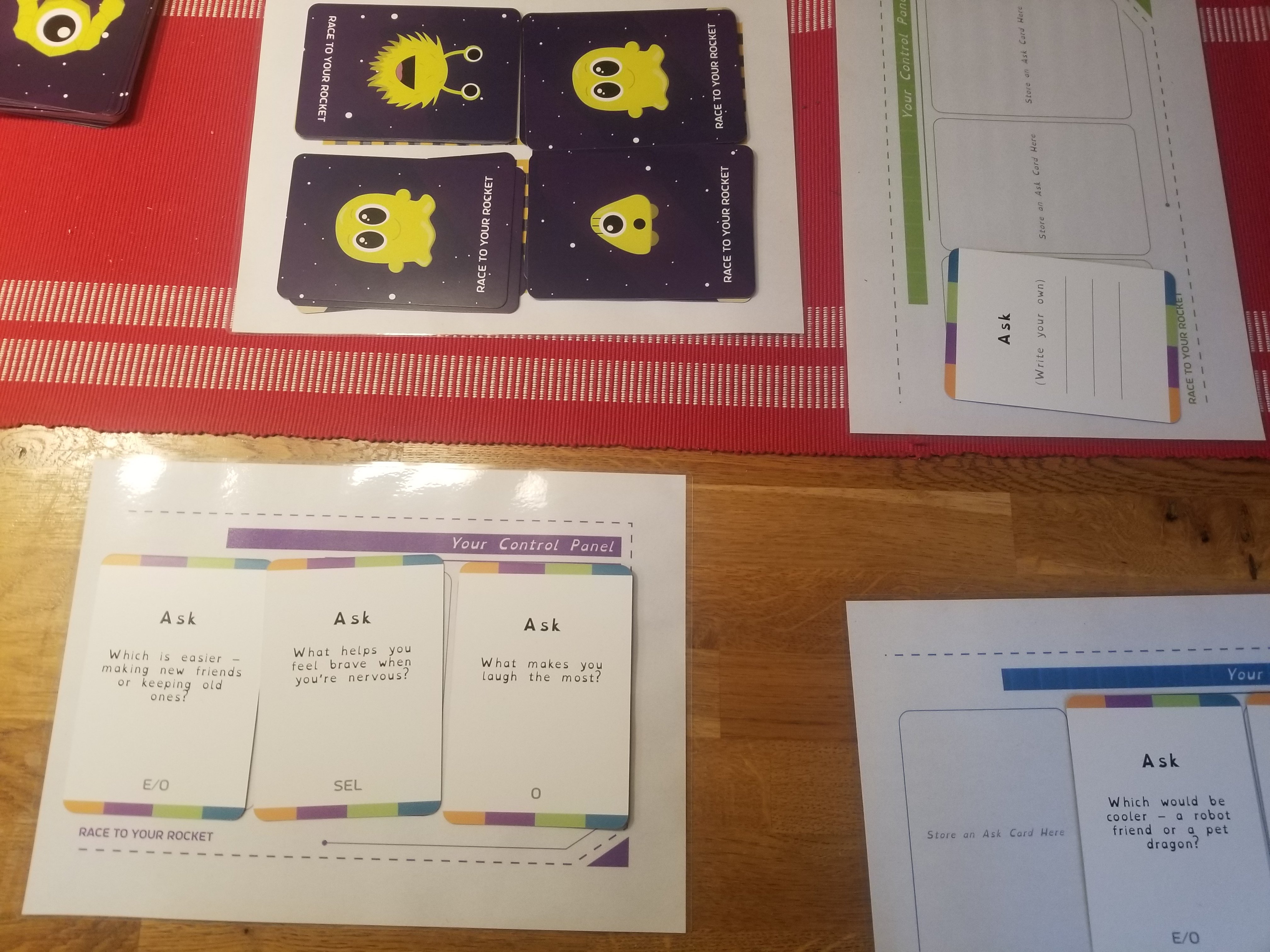
Race to your Rocket has since been trialled and implemented successfully in schools, afterschool clubs, day care centres for adults with learning disabilities and used by Occupational Therapists as part of their work to build connection with the children that they work with.
All educators and therapists know that connection is vital for learning to take place and for children to be able to master the skills they need for success.
Future Spark
I still have many other ideas that I hope to be able to fulfil one day, through Little Spark Learning.
If reading this has sparked an idea in you of how we could work together, please do contact me. I'm always open to ideas (as long as you're happy to work with Post it notes!) and in today's world, we have Miro, so there's no distance barrier and the post-it notes take up less space.
Who knows where that chapter of the story could lead.
Little Spark Values
How do Little Spark games build confidence?
Little Spark Learning creates playful, confidence‑building games for children (each one a Little Spark) who need a little extra support. We help children grow in confidence through play.
When you make skills practise fun through regular play with educational games and activities three things happen:
Connections
Social skill building activities help children build connections with each other.
Growth
Regular practice of skills generates small steps of growth and confidence in children.

Mastery
Mastery of social skills in childhood leads to higher levels of success in adult relationships.
Everything we produce is designed to help children feel braver about their communication, calmer and more connected to their peers and adults around them.
How do we work?
Everything we produce is designed to help children feel braver about their communication, calmer and more connected to their peers and adults around them.
Taking the key, core skills of the Education Endowment Foundation SEL Guidance and exploring how those skills can be incorporated into a game is the starting point. We then think about how could children practise these social interactions safely in a low pressure and enjoyable way. Proto-types are made and tested in numerous settings before we think about going into production.

"All our games are extensively play tested with the best critics (children) and refined to be sure that they are the best, most engaging games they can be, before we even consider moving to the first production phase."
Nicci, Little Spark Founder